How to Choose the Right Contractor in Colorado Springs
Derksen Excavating
Hiring an excavation crew feels simple at first. You need dirt moved. You need a pad cut. You need a trench for utilities.
However, excavation is also where many jobsite problems begin. A bad dig can cause drainage issues. It can slow inspections. It can add rework. It can also raise safety risk.
So, let’s make this easy. Below is a practical guide you can use before you sign a contract.
Colorado Springs excavation companies, what do they do?
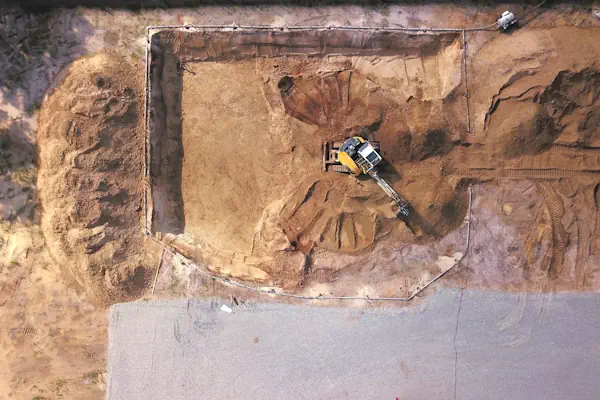
Colorado Springs excavation companies do more than dig holes. They shape land so the next trades can build with fewer surprises. They often handle site clearing first. That means removing brush, debris, and obstacles, so equipment can work safely. Next comes grading and leveling. This is where they set the base shape of the lot. It is the start of good drainage.
Here are common tasks you may see on a scope:
- Site clearing and site prep
- Foundation excavation
- Trenching for utilities
- Grading and leveling
- Hauling dirt, rock, and debris off site.
Also, many projects need support services. For example, erosion control can protect nearby areas during work.
When should you hire an excavation contractor in Colorado Springs?
You should hire excavation help when the project needs heavy equipment and skill. That sounds obvious, but it matters.
For example, new home builds almost always need it. The same goes for garages and additions. You also may need excavation for:
- Driveway access and building pads
- Drainage fixes and regrading
- Utility trenching for water, sewer, electric, or gas
- Retaining wall prep on sloped lots
If you are on raw land, start early. Site prep can reveal surprises like rock, soft soil, and hidden debris. Those issues are easier to handle before other trades arrive.
What’s included in excavation services?
A good scope says what “done” means. It also says what is not included.
In many Colorado Springs projects, excavation services can include site clearing, trenching, grading, and foundation excavation.
Here is what you should expect to see explained in plain language:
- Mobilization: bringing equipment to the site
- Dig and cut work: removing soil to planned depth
- Haul-off plan: where soil and debris go, and who pays fees
- Compaction plan: how the base is packed, and to what standard
- Rough grade: shaping the lot for next steps
- Final cleanup: leaving the site safe and usable
If hauling is part of your job, ask for details. Hauling can include construction debris, dirt, rock, and equipment moves.
Also, ask how they handle erosion and runoff during work. Erosion control is often part of smart site management.
How much does excavation cost in Colorado Springs?
Excavation pricing is not one flat number. It depends on what you are trying to build. It also depends on what the ground gives you.
Instead of chasing a “price per hour,” focus on a clear scope. A clear scope makes bids easier to compare.
In general, excavation costs move based on:
- How much material is moved
- How hard the digging is
- How far material must be hauled
- Whether compaction and grading are included
- Whether access is tight or steep
If you want a real number, ask for a site visit. Photos help too. Even then, the best estimate is a written scope with allowances.
What impacts excavation pricing the most?
This is the part many bids hide. You want it out in the open.
Soil and rock. Colorado Springs soils can vary a lot by area. Rock can slow progress fast.
Slope and access. Tight gates, steep drives, and limited staging areas add time.
Haul distance and dump fees. Even a small change here can shift costs. If you need hauling, confirm what is included.
Utilities and locates. Striking a line can stop a job. It can also create liability.
Weather and timing. Snow, freeze-thaw, and rain can change schedules. So can other trades.
How to compare excavation quotes without guessing
If two bids look far apart, it is usually scope. One bid may include haul-off. Another may not. One may include compaction. Another may not.
So, ask for these items in writing:
- What work is included, line by line
- What equipment is included
- How many trips are assumed for hauling
- What “final grade” means in their bid
- Who is responsible for utility locates
- How changes are priced if rock is hit
- What the cleanup standard is
Next, read the bid like a checklist. If a line item is missing, you may still pay for it later.
Also, look for vague phrases. Words like “as needed” can hide costs. If something is “as needed,” ask how they decide, and who approves it.
Licensing, insurance, and jobsite safety
This is not the fun part, but it protects you.
Ask for proof of insurance. Ask who is on the jobsite every day. Ask who is in charge of safety.
Trenching and excavation work can be dangerous. OSHA warns that “Cave-ins pose the greatest risk.” OSHA
That is why a good contractor plans protective systems, access, and inspections.
Here is what to verify:
- Proof of general liability and auto coverage
- Workers’ compensation coverage
- A clear plan for trench safety and entry points
- Safe equipment practices and spotters
- Utility locate procedures before digging
If the contractor rushes these answers, that is a sign. A steady, calm answer is what you want.
Excavation timeline, what to expect
Most excavation jobs follow the same basic flow. The details change, but the steps stay similar.
Step 1: Site visit and scope.
They walk the site. They check access. They talk about soil and drainage.
Step 2: Locates and planning.
Utility locates are scheduled. The work plan is finalized.
Step 3: Mobilization.
Equipment arrives. Staging is set.
Step 4: Dig, haul, and shape.
Work begins. Soil is moved. The site starts to look like a build site.
Step 5: Compaction and rough grade.
This is where long-term success starts. Poor base work can lead to settling.
Step 6: Site ready for the next trade.
The goal is a clean handoff. That keeps your schedule moving.
If your project needs hauling, schedule matters. Hauling is often the difference between “done today” and “done next week.”
Common excavation mistakes in Colorado Springs
These are the problems I see most often in the field. The good news is they are avoidable.
Skipping drainage planning. Water always wins. A good grade plan reduces future headaches.
Over-digging. Digging too deep when its not called for can add backfill and compaction work.
Weak compaction. This can lead to settlement. Settlement leads to cracks and rework.
Unclear haul-off. If nobody owns the haul plan, costs climb later.
Rushing the scope. A fast bid can feel good. A clear bid is better.
Also, do not forget erosion control. It protects the site and nearby areas during work.
FAQs about excavation in Colorado Springs
Ready to get an excavation estimate?
If you want a smoother project, start with a site visit and a written scope. That is the fastest way to avoid surprise costs.
Derksen Land Solutions provides excavation services in Colorado Springs, including site clearing, grading, trenching, and foundation excavation. We also offer hauling and erosion control support when your site needs it.
In the end, Colorado Springs excavation companies are not all the same, and the right one makes everything after it easier.
Have an upcoming excavation project? Contact Derksen Land Solutions Today!